Coordinated Legal Advocacy for Recovery Housing
The Recovery Housing Advocacy Initiative organizes attorneys to address legal barriers facing recovery residences and protect fair housing rights nationwide.
Why Legal Advocacy Is Needed
Recovery housing provides a critical path to stability for individuals rebuilding their lives after substance use disorder. Yet across the country, these residences often face legal and regulatory challenges that threaten their ability to operate.
A coordinated legal advocacy approach helps protect these homes, uphold fair housing rights, and ensure continued access to safe, supportive environments.

Recovery Housing Advocacy Initiative
Here's Why Legal Advocacy Is Needed

Facing Zoning & Policy Barriers
Recovery homes face zoning restrictions, licensing hurdles, and local policies.

Conflicts with Federal Protections
Many barriers conflict with federal housing and disability laws, risking discrimination.

Limited Legal Resources
Most recovery housing providers lack the resources to challenge unlawful restrictions.

The Power of Coordinated Advocacy
Strategic litigation and coordinated efforts clarify rights and strengthen protections.

Protecting Access to Recovery Housing
Legal advocacy removes barriers and ensures equal access to safe, supportive housing.
The Purpose of the Initiative
The Recovery Housing Advocacy Initiative brings together legal professionals to protect and expand access to recovery housing through coordinated advocacy and strategic legal action.
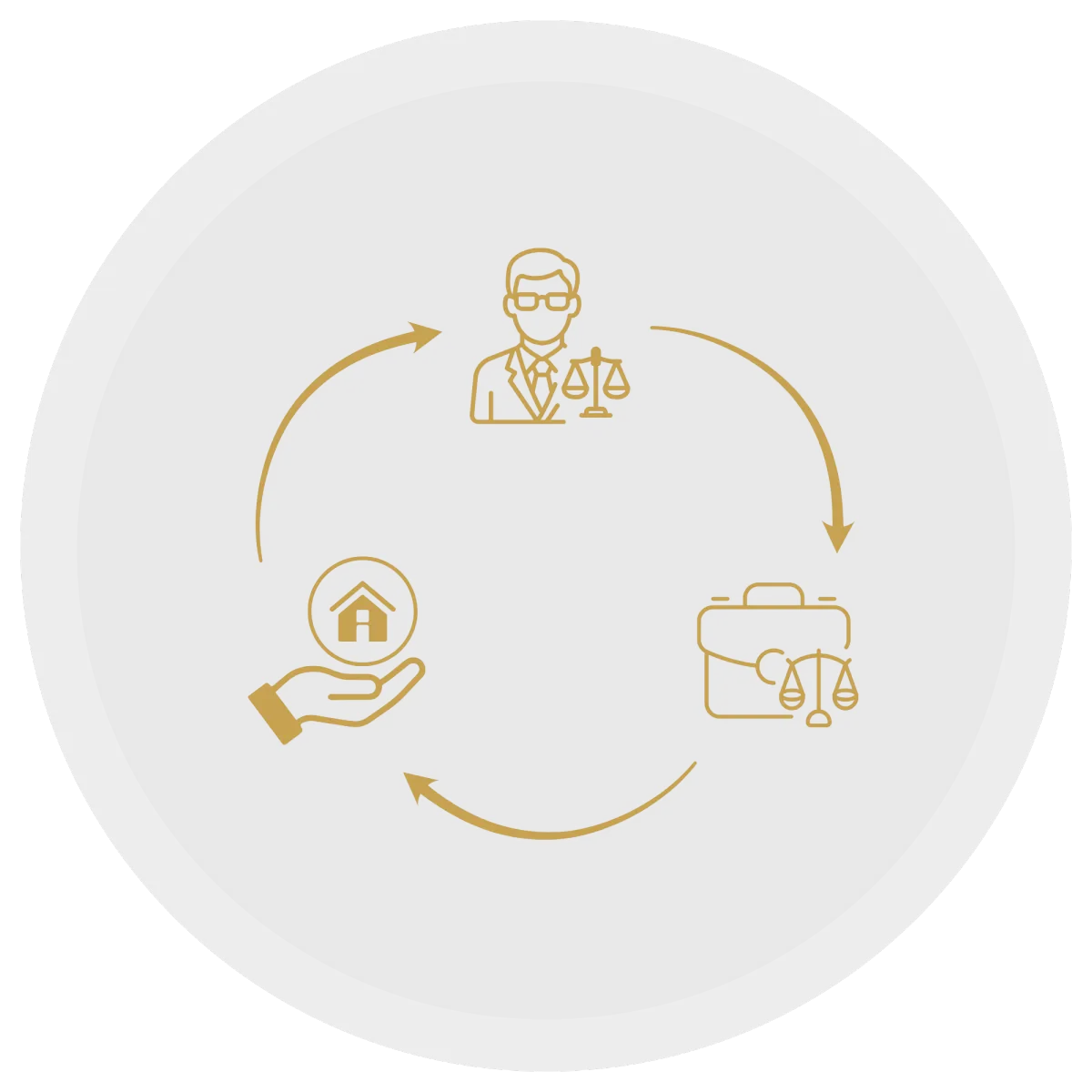
Collaboration drives stronger legal protections and lasting impact.
Key Legal Issues Affecting Recovery Housing
Zoning & Land-Use Restrictions
Recovery housing is often affected by local zoning and land-use rules that were not written with group living models in mind. Municipalities may classify recovery homes as boarding houses, lodging houses, treatment facilities, or other regulated uses, even when the home functions more like an ordinary residence. That classification can trigger special permitting requirements, occupancy caps, spacing rules, parking mandates, or outright exclusion from residential neighborhoods.
These restrictions can make it difficult to open new homes, expand bed capacity, or continue operating in areas where housing is most needed. Even when a home is well managed and compatible with the neighborhood, zoning barriers can delay projects, increase legal costs, and discourage operators from investing in new housing. The result is fewer recovery beds, reduced housing choice, and more instability for people seeking a supportive living environment.
Discriminatory Enforcement
Discriminatory enforcement occurs when neutral-looking rules are applied more aggressively to recovery housing than to comparable residential uses. A city may overlook similar conditions in other homes but strictly enforce code provisions, inspection practices, or permitting requirements once it learns a property is occupied by people in recovery. In some cases, enforcement is driven by neighborhood opposition, stigma, or assumptions about the residents rather than actual health or safety concerns.
This kind of uneven treatment creates significant operational and legal risk for recovery housing providers. Operators may face repeated inspections, fines, cease-and-desist orders, or demands that other households would never encounter. For residents, discriminatory enforcement can threaten housing stability, interrupt recovery progress, and reinforce the very exclusion that fair housing laws are intended to prevent.
Fair Housing Act Protections
The Fair Housing Act can provide important protections for recovery housing because individuals recovering from substance use disorders may qualify as persons with disabilities under the law. When those protections apply, municipalities, neighbors, landlords, and others may not discriminate against residents or operators on the basis of disability. The law can also require reasonable accommodations to rules or policies when necessary to give residents an equal opportunity to use and enjoy housing.
These protections are often central to defending recovery homes against exclusionary zoning, biased enforcement, and community resistance. They give operators and advocates a legal framework for challenging actions that would unfairly block housing for people in recovery. At the same time, asserting those rights can require legal knowledge, documentation, and persistence, which means many homes remain vulnerable unless they have access to informed advocacy and support.
Group Living Challenges
Recovery housing depends on a group living model, which can create legal and practical challenges because many local rules are built around traditional household structures. Questions often arise about how many unrelated people may live together, whether shared bedrooms are allowed, how supervision is handled, and whether the home should be treated differently from a family residence. These issues become more complicated when residents are intentionally living together for mutual accountability and peer support.
The impact is substantial because the group model is often essential to both affordability and recovery outcomes. Limits on occupancy or shared living arrangements can undermine the economics of the home and reduce the supportive community that residents rely on. When the law fails to accommodate group living, recovery housing may be forced into smaller, less effective, or more expensive formats that serve fewer people.
Municipal Policy Barriers
Municipal policy barriers include local ordinances, licensing schemes, registration requirements, fire or building standards, and other administrative rules that shape whether recovery housing can operate. Some policies are well intentioned and aimed at health and safety, but others impose burdens that are excessive, unclear, or targeted in ways that single out recovery homes. These barriers can exist even when there is no explicit ban on recovery housing.
Their effect is often cumulative. A single requirement may be manageable, but layered approvals, recurring hearings, uncertain standards, and shifting local interpretations can make recovery housing difficult to launch or sustain. This unpredictability discourages responsible operators, slows housing development, and leaves communities with fewer recovery-supportive options at a time when stable housing is critically needed.
Recovery Housing Advocacy Initiative
How Attorneys Collaborate Within the Initiative
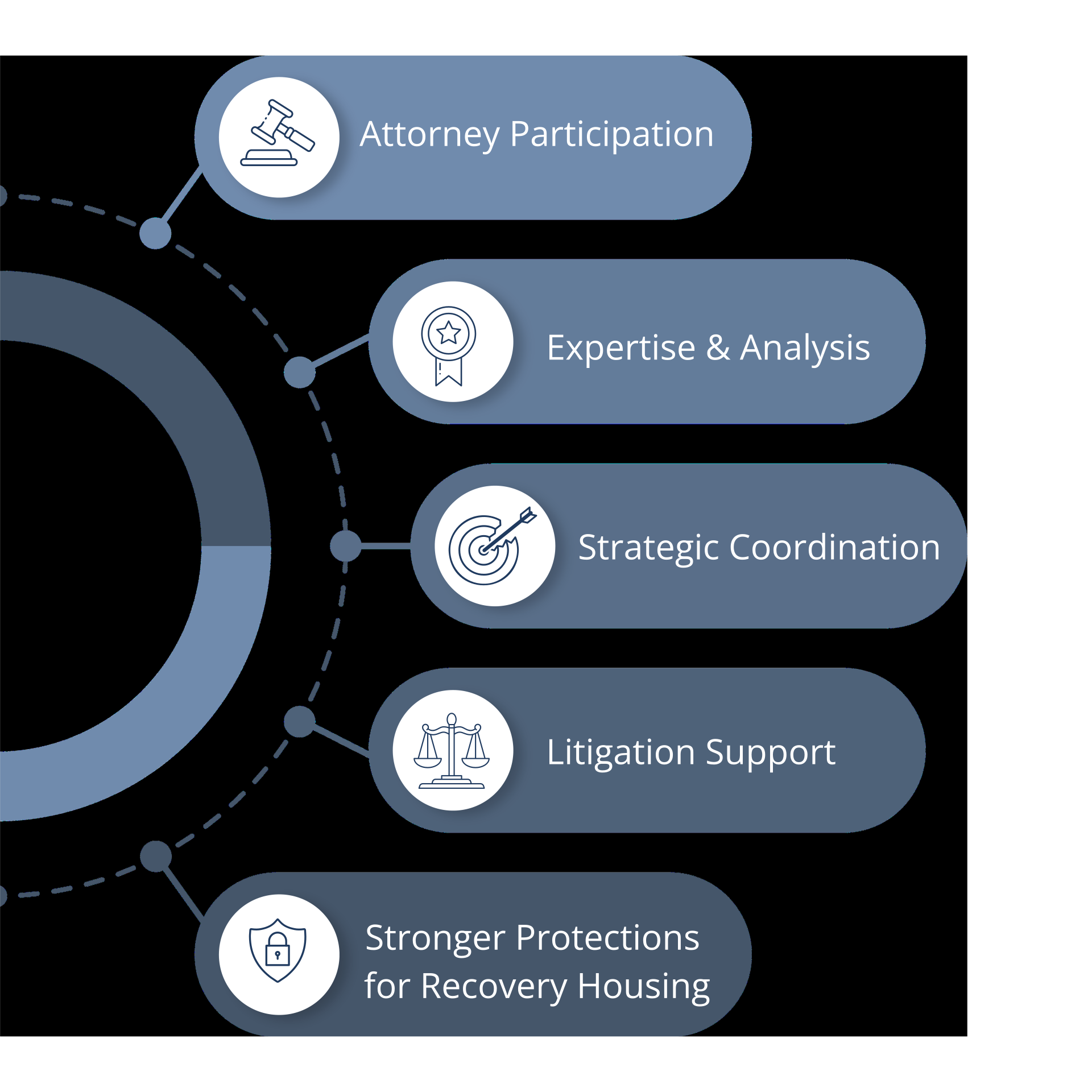
Attorneys in the Recovery Housing Advocacy Initiative work together to tackle legal challenges, share expertise, and strengthen protections for recovery housing nationwide.
Join a Coordinated Effort to Protect Recovery Housing
Legal advocacy is key to safeguarding recovery housing and ensuring stable, supportive living for individuals in recovery. The Recovery Housing Advocacy Initiative unites attorneys to challenge legal barriers and advance fair housing protections through coordinated strategy and litigation.
Protecting fair housing and strengthening recovery housing nationwide.
© 2026 Recovery Housing Advocacy Initiative, Inc. All rights reserved.